

Očéti Šakówiŋ Climate Resilience Workshop Brings Together TCU Students, Mentors, and Climate Leaders
Date
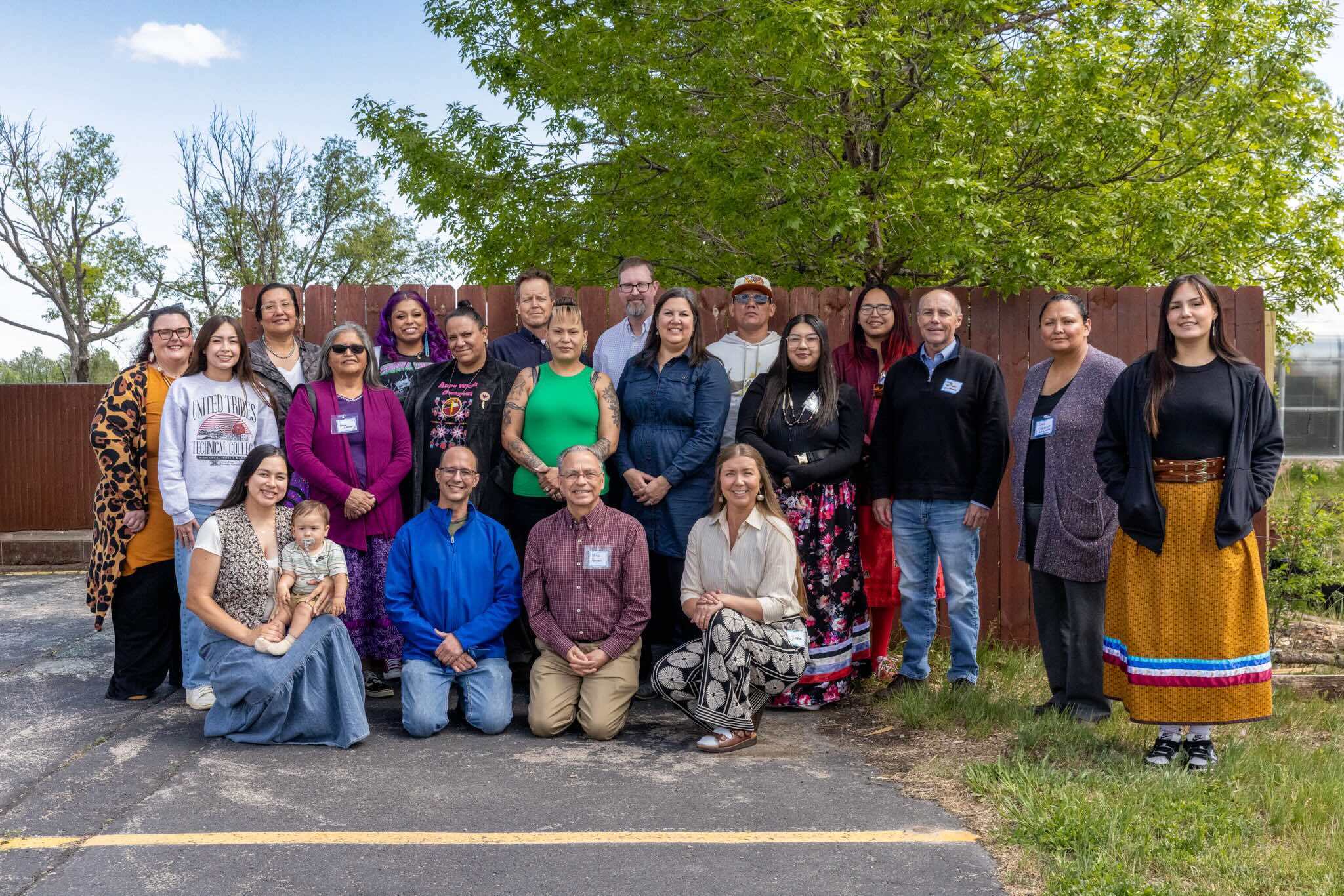
From May 18–20, 2026, the Očéti Šakówiŋ Climate Resilience Workshop gathered approximately 25 participants at the He Sapa Center at Oglala Lakota College in Rapid City for three days of learning, collaboration, and community-building focused on climate resilience across Tribal Nations. The workshop brought together 10 Tribal College and University (TCU) student interns, mentors, climate experts, and project partners as part of the Očéti Šakówiŋ Data for Climate Resilience Initiative, which supports students in developing community-driven climate projects rooted in Indigenous knowledge, Tribal priorities, and climate data.
Organized with leadership from Kynser Bell and Janna Black, the workshop created space for students and mentors to explore how climate information can support Tribal sovereignty, community planning, and future resilience efforts. Throughout the event, participants engaged in presentations and hands-on activities covering climate science, climate impacts in the Great Plains, cultural intelligence, Tribal data sovereignty, climate tools, and decision-making resources.
A major focus of the workshop was helping interns begin shaping their individual climate resilience projects. Each student will spend the coming months developing a project within their own Tribal community using climate data and local knowledge systems. Ideas ranged across a wide variety of topics and reflected both creativity and deep commitment to community wellbeing.
During the workshop, interns worked closely with mentors to think through project ideas, identify goals, and develop practical work plans. The energy in the room reflected excitement not only for the projects themselves, but for the relationships and networks being built among students and mentors. The internship program is designed to empower TCU students to lead community-driven climate solutions while strengthening relationships with Tribal Nations, resource managers, and regional climate organizations.
The final day of the workshop included student project sharing, feedback sessions, and a field trip to a Mesonet station near New Underwood, South Dakota, giving participants an opportunity to connect climate data collection with real-world applications.
The Očéti Šakówiŋ Climate Resilience Workshop highlighted the power of collaboration, Indigenous knowledge, and student leadership in building stronger, more climate-resilient Tribal communities for future generations.