


Author
Grassland Management Priorities in a Changing Climate
Date
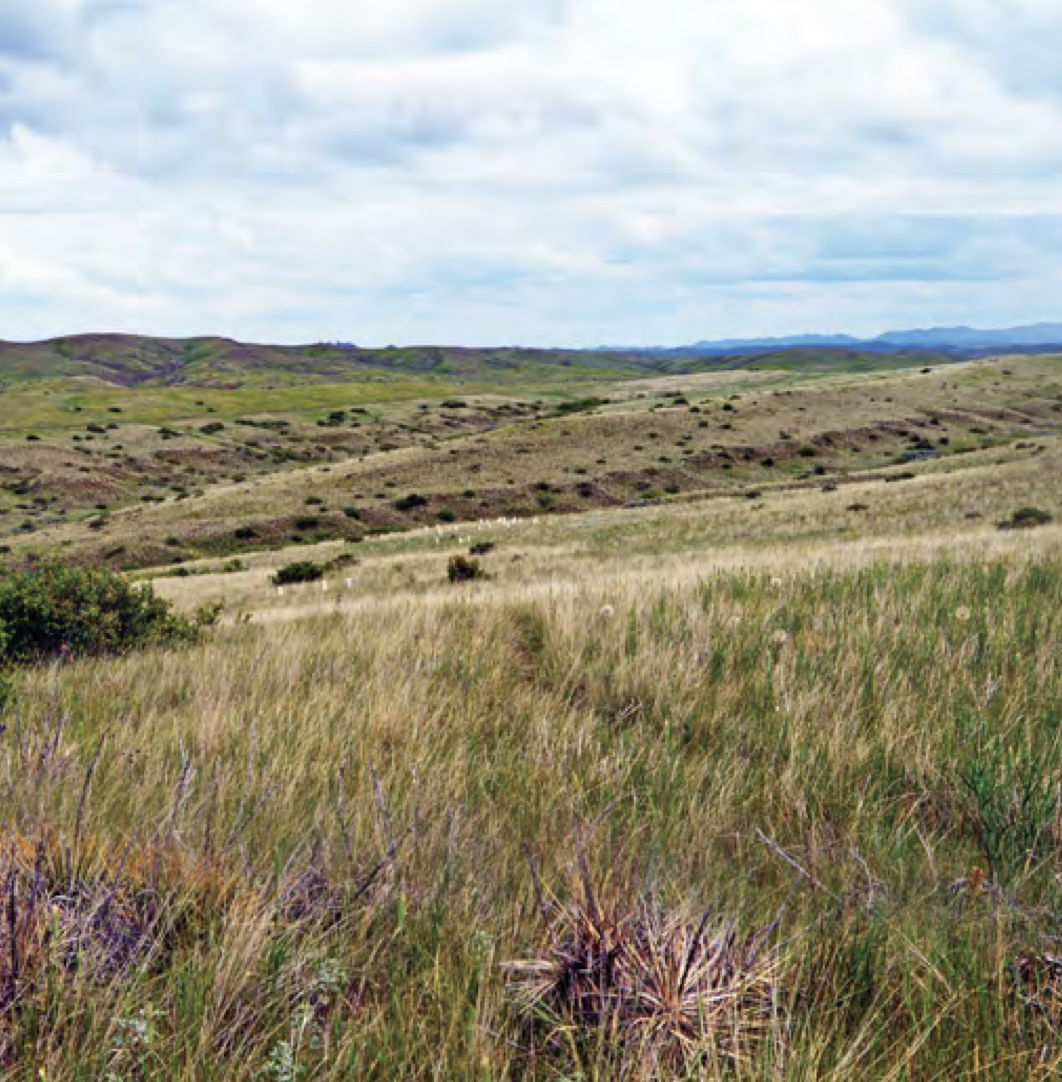
Grasslands across the North Central United States are among the most threatened ecosystems in the country, facing increasing pressure from land conversion, fragmentation, invasive species, altered fire and grazing regimes, and climate change. A new report from the U.S. Geological Survey, edited by Christy Miller Hesed and Heather Yocum of the North Central Climate Adaptation Science Center, synthesizes decades of management plans, scientific literature, and stakeholder input to identify shared goals, challenges, and information needs for grassland conservation across seven states. The synthesis draws on the systematic review of more than 180 grassland management-related documents and collaboration with Federal, State, Tribal, and nongovernmental partners to establish a regional baseline for climate-informed grassland management.
The report highlights that while grassland managers operate across diverse landscapes and jurisdictions, they share common priorities: conserving intact grasslands, maintaining biodiversity, supporting working lands, and adapting management strategies to a warming and more variable climate. It identifies 70 key science questions centered on how climate change will interact with existing threats, affect the effectiveness of management actions, and shape where conservation efforts should be prioritized. By clarifying these shared information needs and emphasizing coordination across agencies and landownerships, the report provides a roadmap for future research and decision-making to support resilient grasslands and the communities that depend on them.