


The Climate Adaptation Science Support (CASS) is an overarching mechanism at the NC CASC that facilitates sustained, responsive, and partner-driven climate adaptation science support. CASS provides a flexible platform through which climate science, ecological science, and decision-support approaches are translated into actionable guidance for partners, often on demand and over extended periods of engagement. This support may include the provision of climate and ecological datasets, development and maintenance of decision-support tools, guidance on interpreting and applying climate information, and training to build partner capacity. CASS also supports partners in navigating planning and decision-making under climate change by incorporating approaches such as scenario planning to help imagine, assess, and prepare for multiple plausible futures. In addition, CASS informs and connects with broader NC CASC science synthesis and application efforts, including Working Group Science Support (WGSS) and the Research to Climate Adaptation Program (RCAP), ensuring coherence across research, tool development, and applied science engagement.
How does the CASS work?
CASS facilitates iterative engagement with the NC CASC community of scientists and stakeholders to increase understanding of climate adaptation science and to identify stakeholders’ climate science needs. This process includes:
- Direct interactions with stakeholders
- Specific project-based interactions
- Science calls of the CASS network
- Science webinars that bring together researchers and managers
CASS produces information and tools based on identified needs across a wide range of stakeholders and projects. This includes:
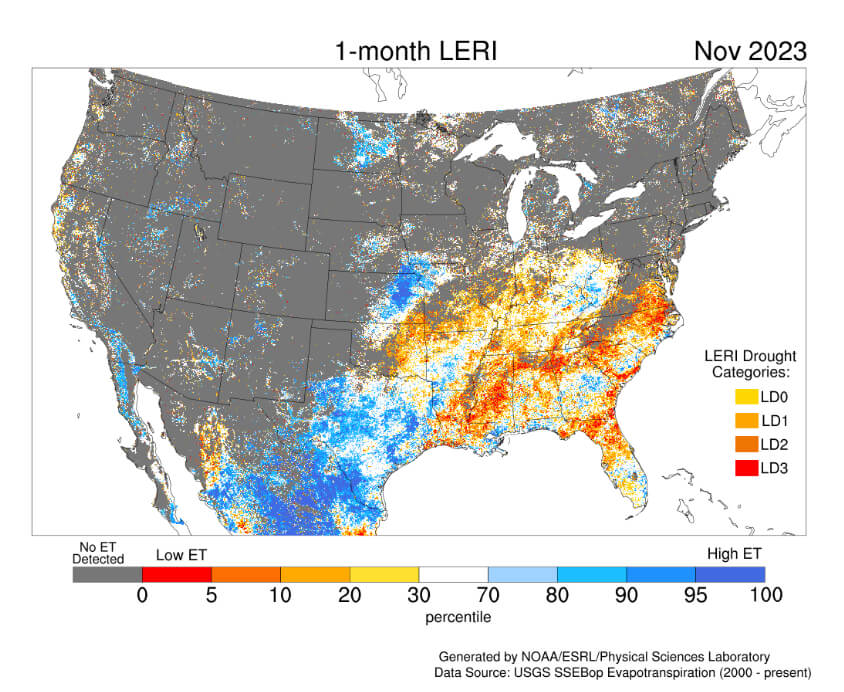
- Developing and providing downscaled climate data
- Synthesizing project specific climate information
- Developing workflows to access climate data or to derive a specific climate metric at the appropriate scale
- Assessing usability of developed information and tools through direct stakeholder engagement
- Developing resource briefs and regional summaries
For guidance on using climate projections, click here.
Select stakeholders with whom CASS has had significant interactions include:
- US Fish and Wildlife - Region 6
- National Park Service Climate Change Response Program
- Montana Fish Wildlife and Parks
- The Nature Conservancy - Colorado
- US Forest Service - Colorado Front Range Forests
- Wyoming Game and Fish
- Colorado Natural Heritage Program
- Mountain Studies Institute, Colorado
- USGS scientists - Prairie Pothole Region, Wyoming mule deer migration
Select projects and efforts supported by CASS include:
- US FWS species status assessments in FWS Region 6. These include:
- (i) Wolverine (Rocky Mountains)
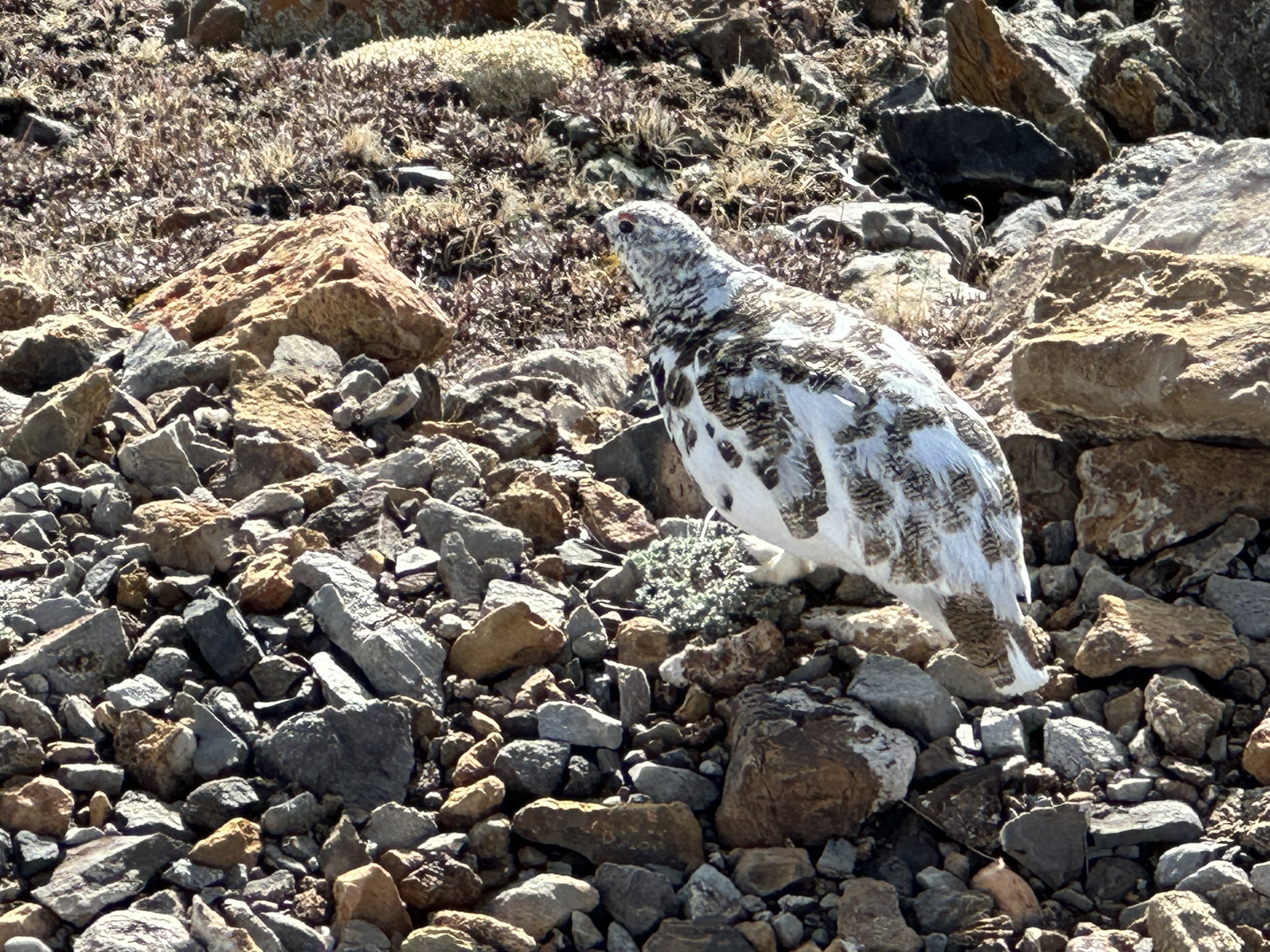
- (ii) White-tailed ptarmigan (northern and southern CO population)
- (iii) Skiff milkvetch (southwest CO)
- (iv) Monkey flower (CO Front Range)
- (v) North Park Phacelia (northern CO)
- (vi) Desert tortoise and several other species (Mojave Desert, UT)
- (vii) Silverspot butterfly (southern CO)
- (viii) DeBeque Phacelia and CO Hookless Cactus (western CO)
- Science support for climate change scenario planning for Wind Cave NP and Dinosaur NM
- Montana Fish Wildlife and Parks - Future mountain goat management
- Wyoming Game and Fish Dept - 2020 Statewide Habitat Plan (SHP)
- Regional Conservation Assessment around the metro Denver region with The Nature Conservancy, Biohabitats, and Metro Denver Nature Alliance
- Prairie Dog Population Dynamics in the Great Plains under a changing climate - Colorado Natural Heritage Program
- Mancos River Resiliency - Mountain Studies Institute, Ute Mountain Ute Tribe
Questions about the CASS? Please contact:
Imtiaz Rangwala, imtiaz.rangwala@colorado.edu
Jane Wolken, jane.wolken@colorado.edu