

News

New RCAP Product: Climate Adaptation in the North Central Mountains
The Alpine RCAP group has completed a 4-page summary document, titled "Climate Adaptation in the North Central Mountains: Alpine Tundra and Treeline."
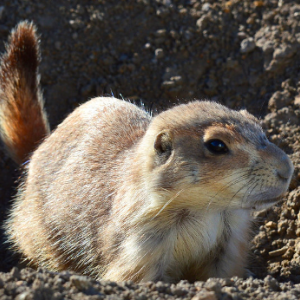
NC CASC’s Dr. Imtiaz Rangwala provides guidance on modeling habitat suitability under future climate for new publication on black-tailed prairie dog
NC CASC’s Dr. Imtiaz Rangwala provided guidance on the development and use of climate scenarios for modeling suitable black-tailed prairie dog habitat in the future.
The Prairie Climate Companion: Invasive Species
In grassland ecosystems, herbaceous invasive species decrease native species diversity, reduce forage quality and quantity for animals, alter habitat structure, and affect nutrient cycling and availability. Check out the next issue of The Prairie Climate Companion to learn more.
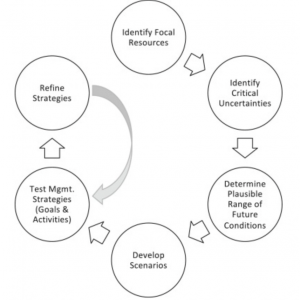
New Publication on Scenario-Based Decisions
Congratulations to USGS research ecologist, Dr. Brian Miller, on a new publication titled, "Scenario-Based Decision Analysis: Integrated scenario planning and structured decision making for resource management." The publication includes members of the NC CASC: Dr. Imtiaz Rangwala, Dr. William Travis, as well as other partners.

New Publication on Nature Futures
NC CASC/USGS research ecologist, Dr. Brian Miller, is co-author on a new publication, out now! "Towards a better future for biodiversity and people: Modeling Nature Futures."

RSS Supplemental Guidance: Integration of Climate Change Scenario Planning into the RSS Process
The NC CASC's Brian Miller and the National Park Service team are excited to announce the publishing of the Resource Stewardship Strategy (RSS) Supplemental Guidance.

CASC Tribal Liaison Handout
Tribal Nations and Alaska Native communities face significant challenges in responding and strengthening resiliency to the extreme weather events and environmental hazards resulting from climate change. The Bureau of Indian Affairs’ Branch of Tribal Climate Resilience (TCR), the U.S. Geological Survey’s (USGS) Climate Adaptation Science Centers (CASCs), and several Tribal Nations/Organizations are collaborating to support a nationwide network of Liaisons. Each Liaison works directly with a regional CASC connecting resources to federally-recognized Tribes in climate adaptation efforts.

Sicangu Lakota (Rosebud Sioux) Climate Adaptation Plan Now Online
The Sicangu Lakota (Rosebud Sioux) Tribe partnered with the Tribal Data Sovereignty Initiative and Lark Environmental, with technic
The Decline of the Western Bumble Bee
The western bumble bee was once common in western North America, but increasing temperatures, drought, and pesticide use have contributed to a 57% decline in the occurrence of this species in its historical range. NC CASC climate lead, Dr. Imtiaz Rangwala, is a co-author on this new U.S. Geological Survey-led study.

Cross-Park RAD Project
How institutional context and emotions shape manager decisions to resist, accept, or direct change in transforming ecosystems: a cross- case study in four national parks