


Protecting Water, Lands, and Culture: Highlights from the Great Plains Tribal Water Alliance Annual Conference
Date
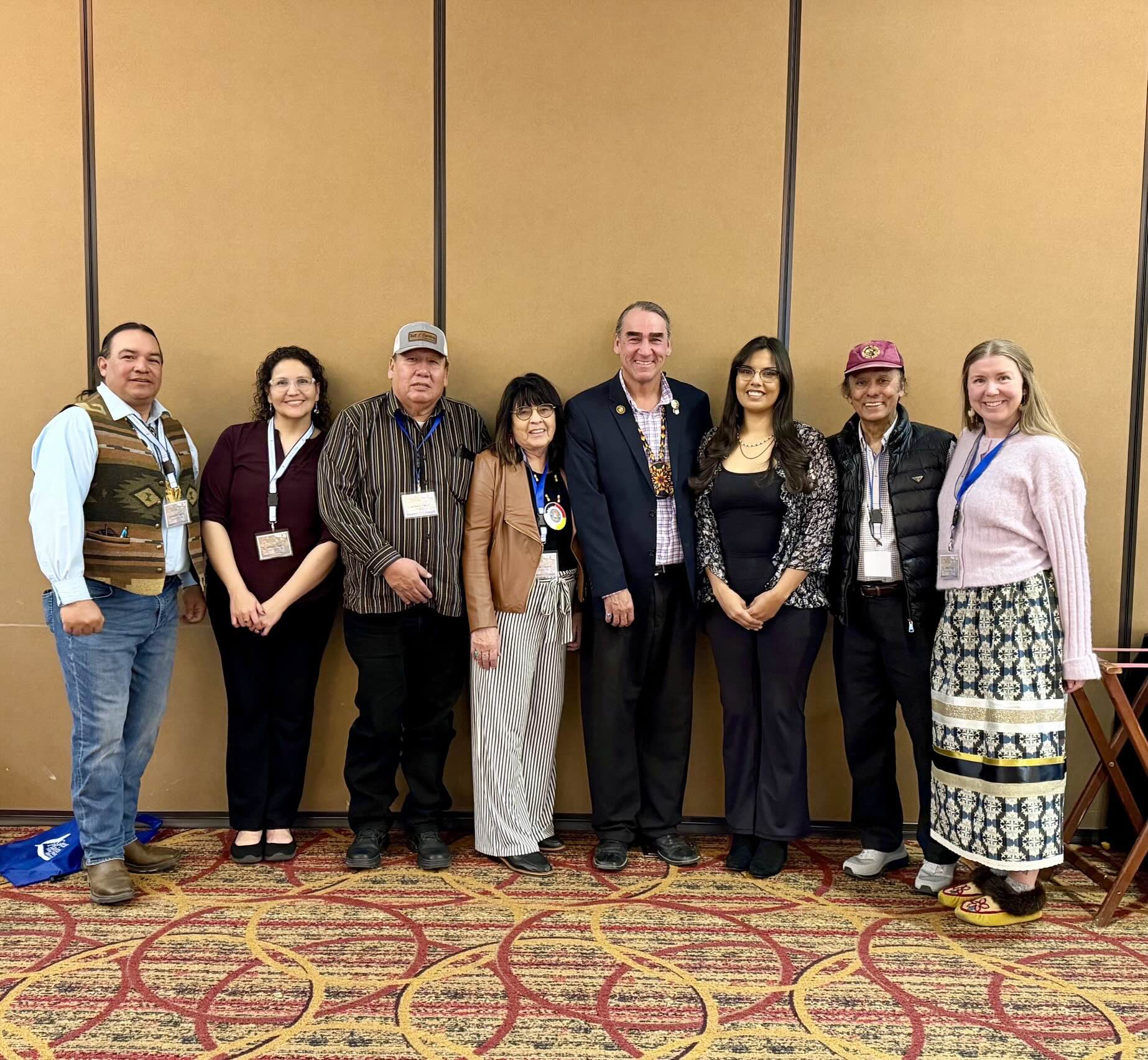
On November 5-6, 2025, the North Central Climate Adaptation Science Center’s Tribal Climate Resilience Liaisons Janna Black and Kynser Wahwahsuck Bell helped host the Great Plains Tribal Water Alliance (GPTWA) Annual 2025 Conference in Deadwood, South Dakota. This two-day event, held on the sacred lands of the Black Hills, brought together more than 100 participants from over 13 Tribal Nations to share knowledge, stories, and strategies focused on protecting water, lands, and cultures in a changing climate.
Each day began with prayers and songs led by respected Elders and singers, grounding the gathering in community, collaboration, and care. As GPTWA Chairman Doug Crow Ghost opened the conference, he reflected on the long-standing commitment of Tribal Nations to defend their water rights and educate future generations:
“It’s just another day in paradise when it comes to protecting water rights for our people and our youth. No matter the political atmosphere, we’ll still be here tomorrow; we’ll see you next year and in all the years to come. Seeing young people listening, really listening, without their phones, that’s a positive sign. They will carry the teachings forward.”
Over two days, participants engaged in deep discussions on Tribal water rights, climate adaptation, and community resilience. Sessions ranged from Indigenous Data Sovereignty and drought early warning systems to protecting land and water from transmission line development. They also heard inspiring updates from GPTWA Board members and the Pine Ridge Girls School, who spoke in Lakota about their work to protect local creeks.
“These are really difficult times we are in,” said GPTWA Attorney Peter Capossela, “yet Native people remain incredibly powerful and resilient. They continue finding ways to move forward. Many people were moved to tears when the Pine Ridge girls presented.”
Other sessions spotlighted ongoing protection efforts such as the No DAPL movement, climate adaptation planning, and Tribal energy sovereignty. Presenters included representatives from the Standing Rock Sioux Tribe, Lower Brule Sioux Tribe, and the Intertribal Buffalo Council, among others. From the NC CASC, Hailey Robe presented on current research and partnership opportunities supporting Tribal water resilience and climate adaptation. This session underscored the importance of collaborative science that respects Indigenous data sovereignty and traditional knowledge systems.
As the conference concluded, participants left with a renewed sense of purpose and solidarity. GPTWA continues to serve as a powerful example of how Tribal Nations are leading the way in protecting water, lands, and cultural heritage across the Great Plains.