

Author
Eat Bison to Save Bison?
Date
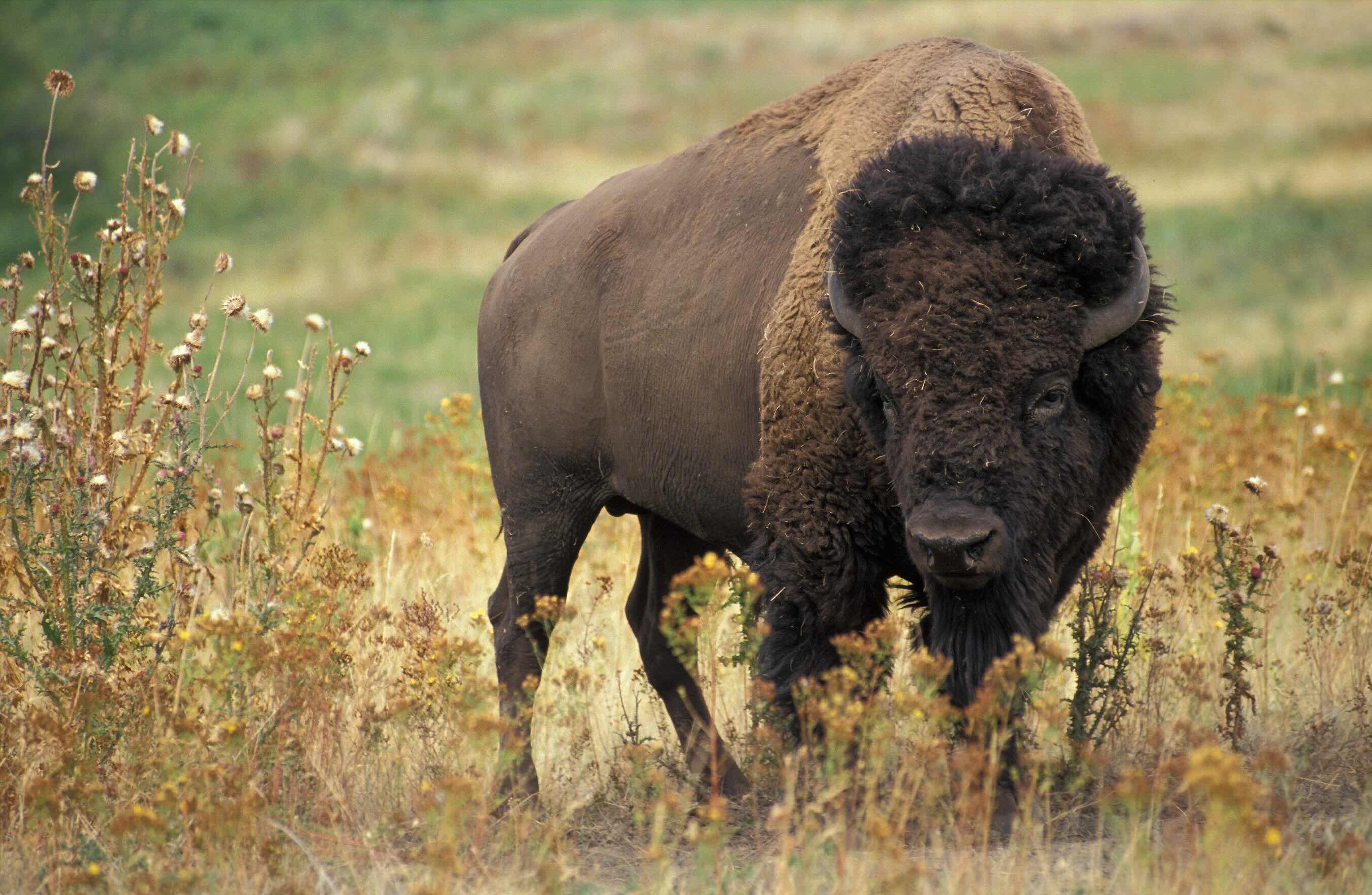
For thousands of years, bison shaped North America’s grasslands while providing food, materials, and deep cultural and spiritual connections for Indigenous peoples. After being driven nearly to extinction in the late 1800s, bison have made a remarkable comeback. But what does their future look like? In a new episode of the Gastropod podcast, NC CASC Co-PI Jeff Martin of South Dakota State University joins hosts Cynthia Graber and Nicola Twilley to explore the history, ecology, management, and future of North American bison.
The episode takes listeners to Custer State Park in South Dakota, where bison help shape prairie ecosystems through grazing, trampling, wallowing, and nutrient cycling. It also highlights Indigenous buffalo restoration on the Rosebud and Pine Ridge reservations, exploring the ecological, cultural, and food-sovereignty dimensions of bringing buffalo back to Tribal lands.
And the episode tackles a seemingly counterintuitive question: Could eating bison actually help conserve them? By creating economic incentives to maintain bison herds and the grasslands that support them, bison production can be one part of expanding their presence on the landscape. At the same time, Indigenous-led restoration efforts are returning buffalo to communities and landscapes from which they were largely eliminated.
Listen to Gastropod’s “Eat Bison to Save Bison” to hear how bison conservation, grassland ecology, food systems, and Indigenous restoration intersect across the Great Plains.