


Author
The NC CASC Annual Consortium Meeting
Date
The North Central Climate Adaptation Science Center (NC CASC) held its Year 2 Consortium Meeting from June 2 - 3, 2026, at the Sustainability, Energy and Environment Community (SEEC) building on the University of Colorado Boulder East Campus. The two-day workshop brought together university researchers, Tribal partners, conservation organizations, and federal scientists to reflect on successes and challenges from the past year while charting a course for future climate adaptation efforts across the North Central region.
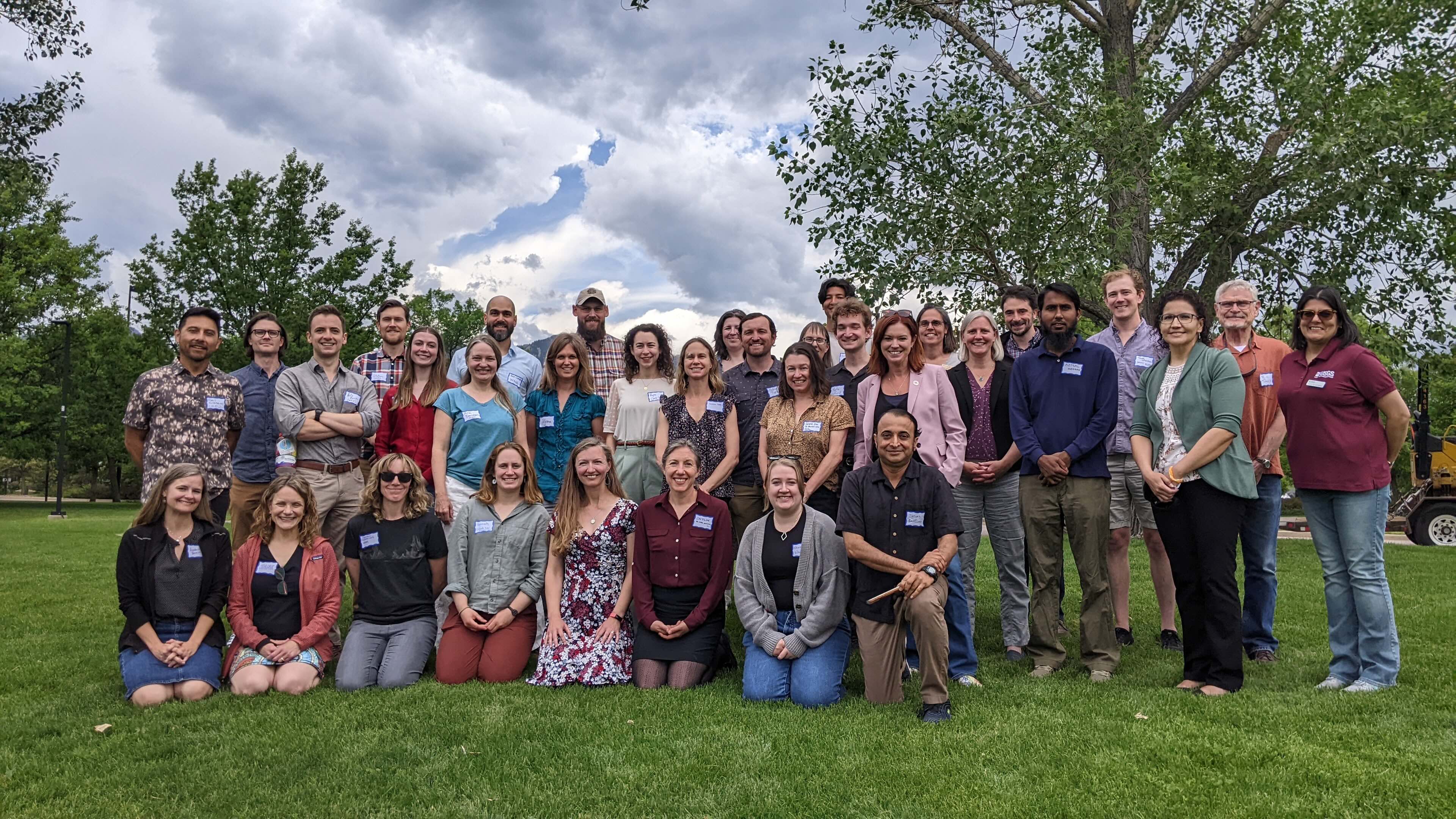
The meeting focused on three primary goals: evaluating progress in delivering actionable science for climate adaptation, identifying priorities and opportunities for Year 3 and beyond, and expanding partnerships to better support the management of natural and cultural resources in a changing climate. Participants heard updates from NC CASC consortium partners, including Colorado State University, the Great Plains Tribal Water Alliance, South Dakota State University, The Nature Conservancy, the University of Montana, and the University of Wyoming. Discussions highlighted ongoing research and engagement efforts aimed at helping communities respond to climate-related challenges.
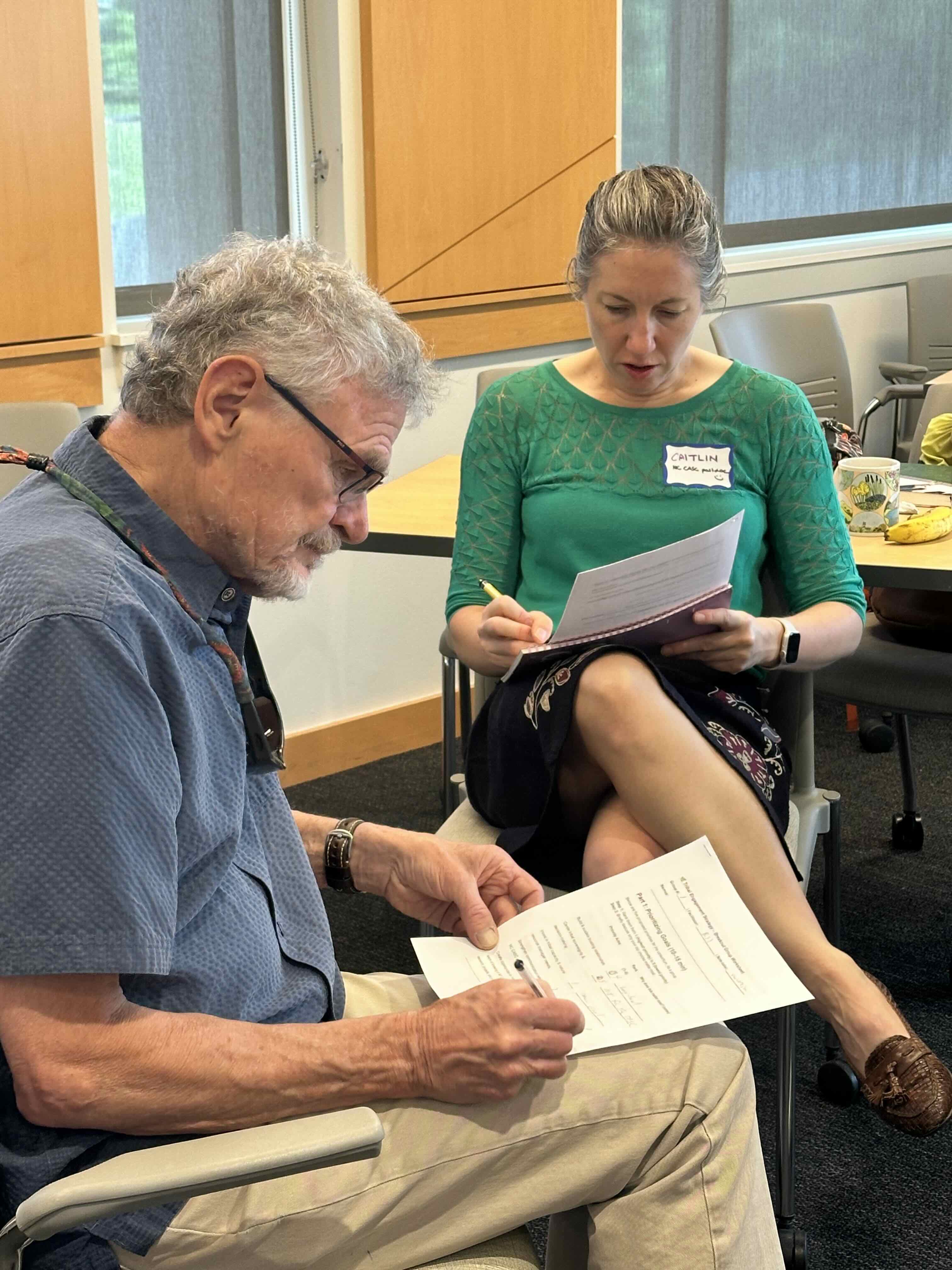
A major theme throughout the workshop was collaboration. Sessions explored strategies for strengthening Tribal engagement, developing new stakeholder partnerships, and evaluating the effectiveness of climate adaptation actions. Participants also contributed to planning future Working Group Science Syntheses and Regional Climate Adaptation Partnership (RCAP) projects, helping ensure that research products remain responsive to emerging management needs. Science communication played an important role in the meeting as well. NC CASC Communications Lead Ulyana Pena facilitated a training session on the "ACE" communication model, providing participants with tools for effectively sharing climate science with diverse audiences and decision-makers.
The workshop also emphasized the value of building relationships beyond the conference room. Guided hikes along the Flatirons and Boulder Creek gave participants opportunities to discuss geomorphology, invasive species management, and climate impacts in the field while strengthening professional connections across institutions and disciplines.

As climate challenges continue to evolve, the NC CASC consortium remains committed to developing actionable science that supports adaptation and resilience throughout the North Central region. The conversations, partnerships, and plans developed during this year's meeting will help guide future research, engagement, and decision-support efforts in the years ahead.