


Author
Conservation enhances resilience of the US "Duck Factory"
Date
Every spring, millions of migratory waterfowl return to the Prairie Pothole Region (PPR), a vast landscape of wetlands and grasslands stretching across the northern Great Plains of the United States. Often called North America's "Duck Factory," this region supports approximately five million breeding ducks each year and produces the majority of the continent's migratory ducks. Beyond providing critical wildlife habitat, its wetlands help store carbon, reduce flooding, improve water quality, recharge groundwater, and support agricultural communities. For decades, conservation organizations, federal agencies, and private landowners have worked together to protect this remarkable landscape. Much of this conservation has been made possible through funding generated by waterfowl hunters, whose purchases of Federal Duck Stamps have helped conserve millions of acres of habitat, along with the voluntary participation of private landowners in conservation easement programs that protect wetlands while allowing working lands to remain productive. But as climate change alters temperature, precipitation, and wetland conditions, an important question has emerged: will today's conservation investments continue to provide benefits for future generations?
A new study published in BioScience offers encouraging news. While climate change is expected to reduce the region's overall capacity to support breeding waterfowl, strategic conservation efforts are helping build resilience into the landscape. The research demonstrates that areas with high wetland density and long-term habitat protection are likely to remain among the most productive breeding habitats well into the future, even under a changing climate. The interdisciplinary study brought together researchers from the U.S. Geological Survey (USGS), U.S. Fish and Wildlife Service (USFWS), the North Central Climate Adaptation Science Center (NC CASC), and partner organizations. Among the co-authors is NC CASC Climate Science Lead Imtiaz Rangwala, whose work focuses on developing climate information that supports natural resource management and climate adaptation decisions. He shares, "The most exciting aspect of this work was having experts from different disciplines and institutions come together to build something none of us could have developed independently. Integrating approaches in climate science, hydrology and wildlife modeling allowed us to better understand future risks and provide more actionable information for conservation."
The PPR has long been a focus of waterfowl research. Scientists have spent decades studying how weather, climate, wetland conditions, and land use influence duck populations. Rather than starting from scratch, the research team synthesized more than 40 years of ecological and climate modeling to create an integrated framework for evaluating future conservation outcomes. The study combined climate projections, wetland hydrology, habitat models, and waterfowl population data to examine how breeding duck abundance could change through the end of the century under multiple future climate scenarios. Instead of relying on a single prediction, researchers evaluated a range of plausible futures, allowing resource managers to consider conservation strategies that remain effective despite uncertainty. This scenario-based approach demonstrates that while the future cannot be predicted with certainty, planning across multiple possible futures helps managers make more robust decisions today.
The study projects that breeding duck populations across the PPR could decline by more than 50% by the end of the century under a more extreme climate scenario as fewer seasonal wetlands and shorter hydroperiods will reduce breeding habitat across the landscape. Yet one of the study's most significant findings is that conservation investments will continue to provide substantial benefits into the future. Over the past several decades, nearly 20% of the PPR has been protected through a combination of conservation easements, national wildlife refuges, Waterfowl Production Areas, and other habitat conservation programs. Many of these conservation investments have been supported by funding generated through waterfowl hunters, while much of the protected habitat on private lands has been conserved through the voluntary participation of landowners in wetland easement programs.
The analysis found that landscapes containing greater wetland density and higher levels of habitat protection consistently remained among the strongest breeding areas across all future climate scenarios. Lead author of the study, Owen McKenna of the USGS says, “By analyzing 25 modeling studies done over 35 years, we noticed that many of the studies focused on climate-driven surface water expansion and contraction without looking at where wetlands remain in some sort of protection. By adding this dimension into our analysis we could more realistically portray potential future changes in breeding duck pair distributions and estimate the value of billions of dollars of conservation investments.” In other words, although climate change is expected to reduce overall breeding capacity, conservation actions taken today are helping create landscapes that are more resilient to future environmental change. This finding reinforces the value of long-term investments in protecting wetlands and grasslands, not only for today's wildlife populations, but also for maintaining ecological function as climate conditions evolve.
Federal and state agencies, Tribal Nations, conservation organizations, and land managers are continually making decisions about where to restore wetlands, protect grasslands, and invest limited conservation resources. This study offers practical information that can help guide conservation planning, as the integrated modeling framework developed by the researchers helps identify landscapes that are likely to continue providing high-quality breeding habitat despite changing environmental conditions. This type of adaptation science is increasingly important as natural resource managers shift from managing historical conditions towards preparing for future climates. Rather than reacting to change after it occurs, managers can use climate-informed decision tools to prioritize conservation actions that maximize long-term ecological resilience. The work also demonstrates the importance of interdisciplinary collaboration. Hydrologists, climate scientists, wildlife biologists, ecologists, and conservation practitioners each contributed expertise to create a more comprehensive understanding of how climate change may affect one of North America's most important ecosystems.
Over the years, NC CASC has collaborated with partners across the PPR through climate scenario planning workshops, Rapid Climate Assessments, and research focused on grassland resilience, ecological drought, and future water availability. These efforts help translate climate science into practical information that resource managers can use when making decisions about conservation, restoration, and wildlife management. “The interdisciplinary co-production work that the NC CASC supports is critical for quantifying how resilient conservation estimates may be to environmental change. By bringing together experts in climate science, wetland hydrology, and duck biology we created a product that can inform decisions regarding future conservation investments by modeling the value of those investments made in the past,” says McKenna. As climate change continues to reshape ecosystems across the northern Great Plains, studies like this illustrate how science can inform proactive conservation. Although future environmental conditions may become more challenging, strategic protection of wetlands and grasslands can continue to support migratory waterfowl while providing valuable ecosystem services for communities throughout the region.
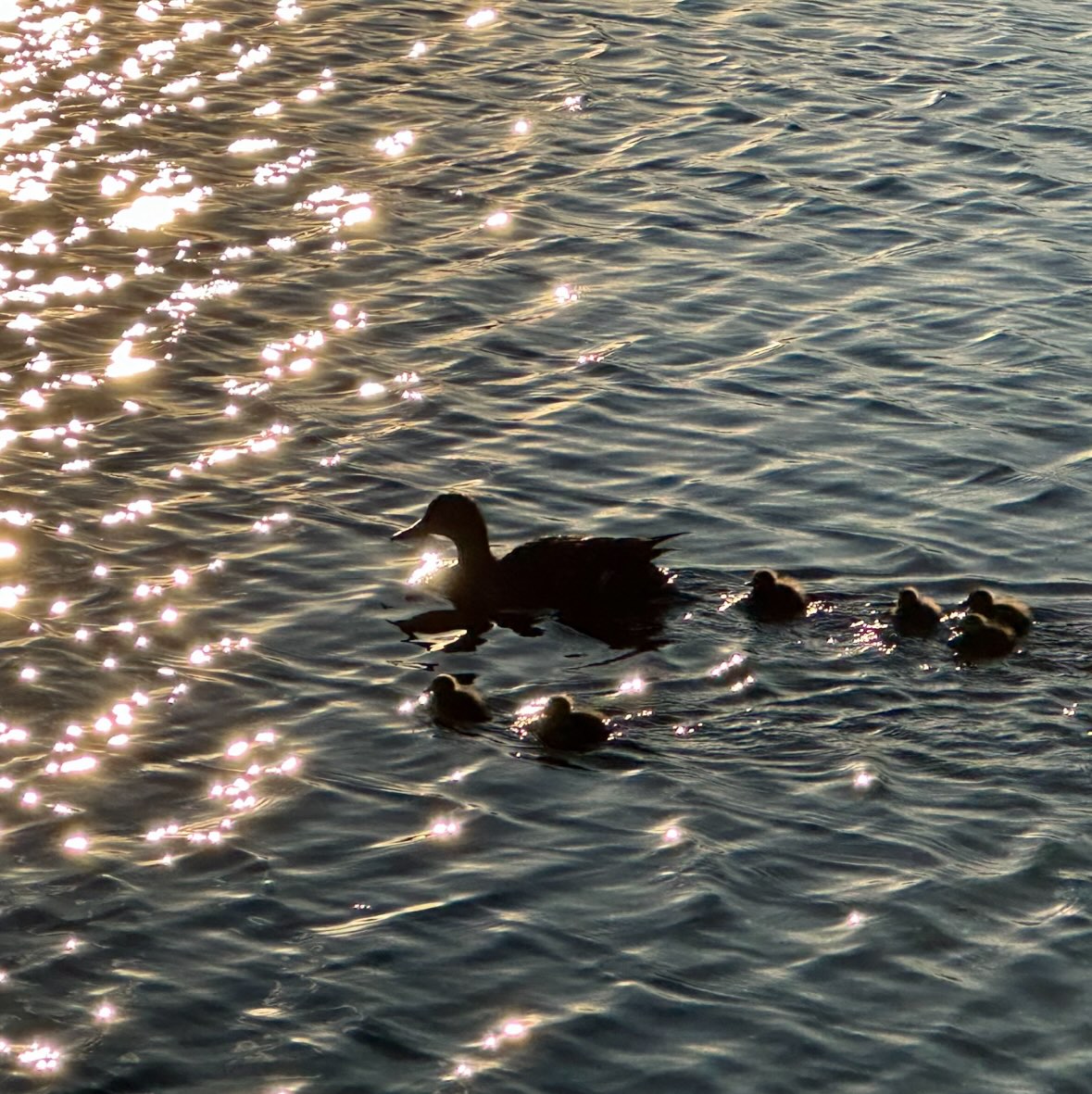
Photo courtesy of NC CASC’s Ulyana Pena.