


Author
New Publication Now Out
Date
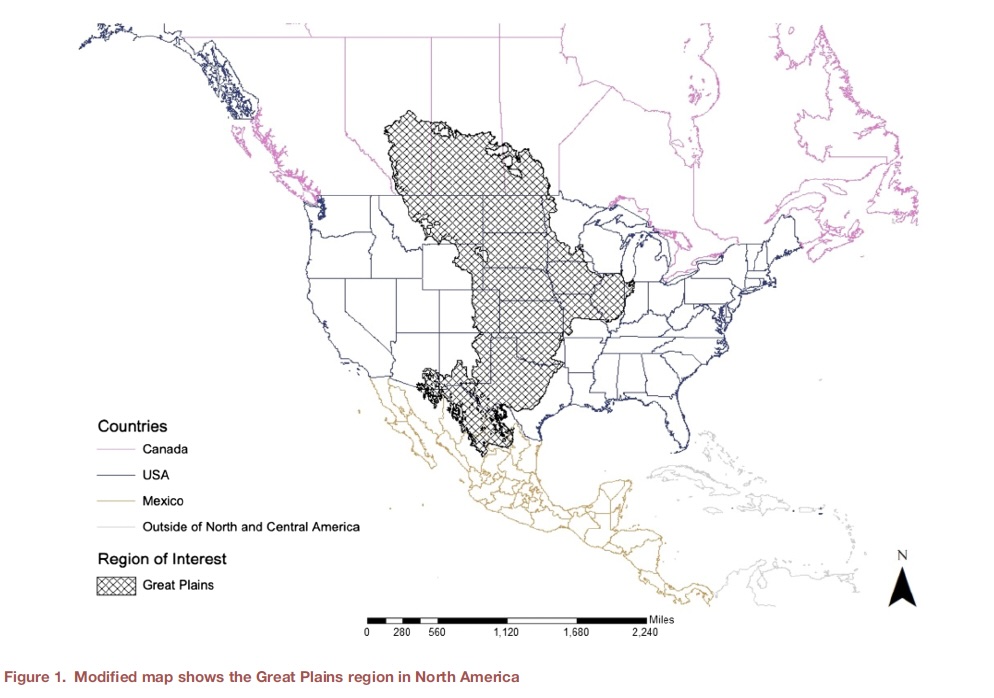
Climate change is reshaping grassland ecosystems across the Great Plains, bringing increased drought, wildfire risk, changing precipitation patterns, and other challenges for both ecosystems and the communities that depend on them. While adaptation efforts often focus on ecological and climate science, a new review led by researchers affiliated with the North Central Climate Adaptation Science Center (NC CASC) highlights the critical role that social science plays in supporting climate resilience.
Published in iScience, the review synthesized more than 200 studies spanning psychology, economics, sociology, political science, communication, education, and anthropology. The authors examined how social science can help conservation professionals, policymakers, and land stewards navigate climate change while sustaining working grasslands and rural livelihoods.
The review identified nine evidence-based strategies to support adaptation. These include tailoring outreach and education to local communities, improving communication about policy changes, incorporating diverse perspectives into research and decision-making, fostering collaboration among stakeholder groups, and designing conservation programs that align with local needs and values. The authors emphasize that adaptation requires action not only by individuals, but also through institutions, policies, and community networks that enable climate-resilient decisions.
Read the paper here. For more about the Grasslands Synthesis Project, click here.